
Start Dressing For Your Natural Shape
Table of Contents
- Understanding How to Determine Your Body Shape
- Clothes for Different Body Shapes: Finding Your Fit
- Flattering Clothes for a Big Stomach: Styling Strategies
- Body Shape Styling Tips for Everyday Confidence
- Dresses and Silhouettes That Flatter Every Figure
- The Truth About How to Dress for Your Body Shape
- Conclusion: Embrace Your Unique Silhouette
- Frequently Asked Questions
Last Updated: October 10, 2026
Understanding How to Determine Your Body Shape
Many women believe the problem is their body when they try on clothes that don't fit right. In reality, it's often the clothes that aren't complementing your natural proportions.
Start by identifying your body type without measurements or scales. Focus on your natural proportions: where you carry weight, where you're narrower, and where your curves are most defined.
Measuring Your Proportions Without the Numbers
Start by looking at yourself in a mirror wearing fitted clothing. Pay attention to three key areas: your shoulders, your waist, and your hips.
Simply observe where your body naturally sits. Some women have a defined waist with fuller hips and bust; others have straighter lines from shoulder to hip.
The Four Core Body Shape Categories
Understanding body shape categories helps you recognize which silhouettes, necklines, and fabrics will enhance your natural proportions. The four core categories are apple, pear, hourglass, and rectangle, each with distinct characteristics and styling opportunities.
Body Shape |
Key Characteristic |
Visual Goal |
|---|---|---|
Apple |
Fuller bust and midsection; narrower hips |
Balance upper body; define or skim waist |
Pear |
Fuller hips and thighs; narrower shoulders |
Draw attention upward; balance proportions |
Hourglass |
Balanced bust and hips; defined waist |
Emphasize natural curves; maintain proportion |
Rectangle |
Straight lines; minimal waist definition |
Create curves; add visual interest |
Clothes for Different Body Shapes: Finding Your Fit
The right outfit isn't about hiding your body, it's about celebrating it. When you understand how to dress for your body shape, you choose pieces that work with your natural proportions rather than against them.
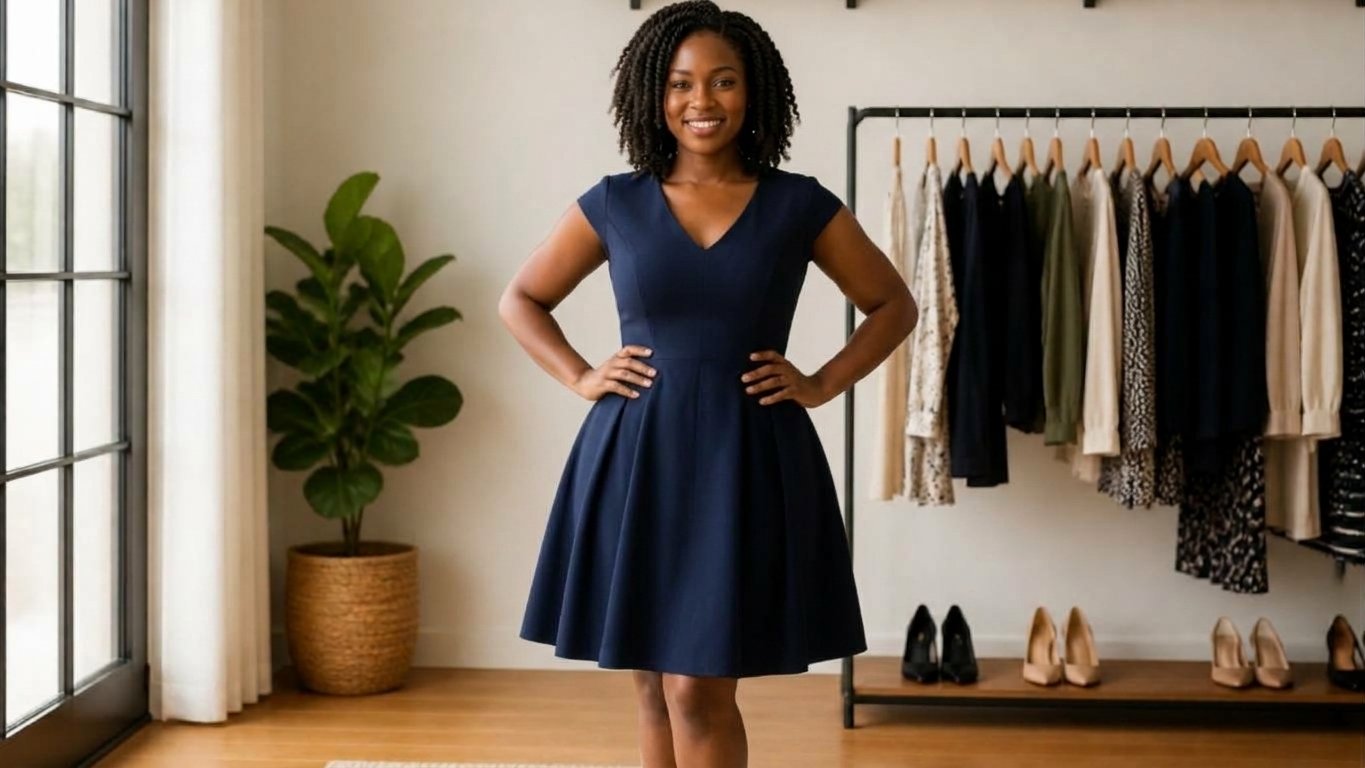
Apple Shape: Emphasizing Balance
If you have an apple shape, your fuller bust and midsection are part of your natural beauty.
Wrap dresses and A-line silhouettes work beautifully for apple shapes because they skim the midsection without clinging. Look for ruching or draping that creates dimension.
A well-placed belt at your natural waist instantly defines your silhouette. The Dark Brown Suede Flower Tie Belt from April Blooms has an adjustable wrap design that lets you cinch exactly where it feels right.

Pear Shape: Celebrating Your Curves
Pear-shaped bodies have narrower shoulders and a fuller lower body. Draw attention upward with horizontal stripes, bold patterns, and bright colors on top. Structured jackets and layered tops add dimension. Choose darker, solid colors for bottoms. A-line and fit-and-flare dresses skim hips and thighs while the fitted bodice balances your proportions.
Hourglass Shape: Defining Your Natural Waist
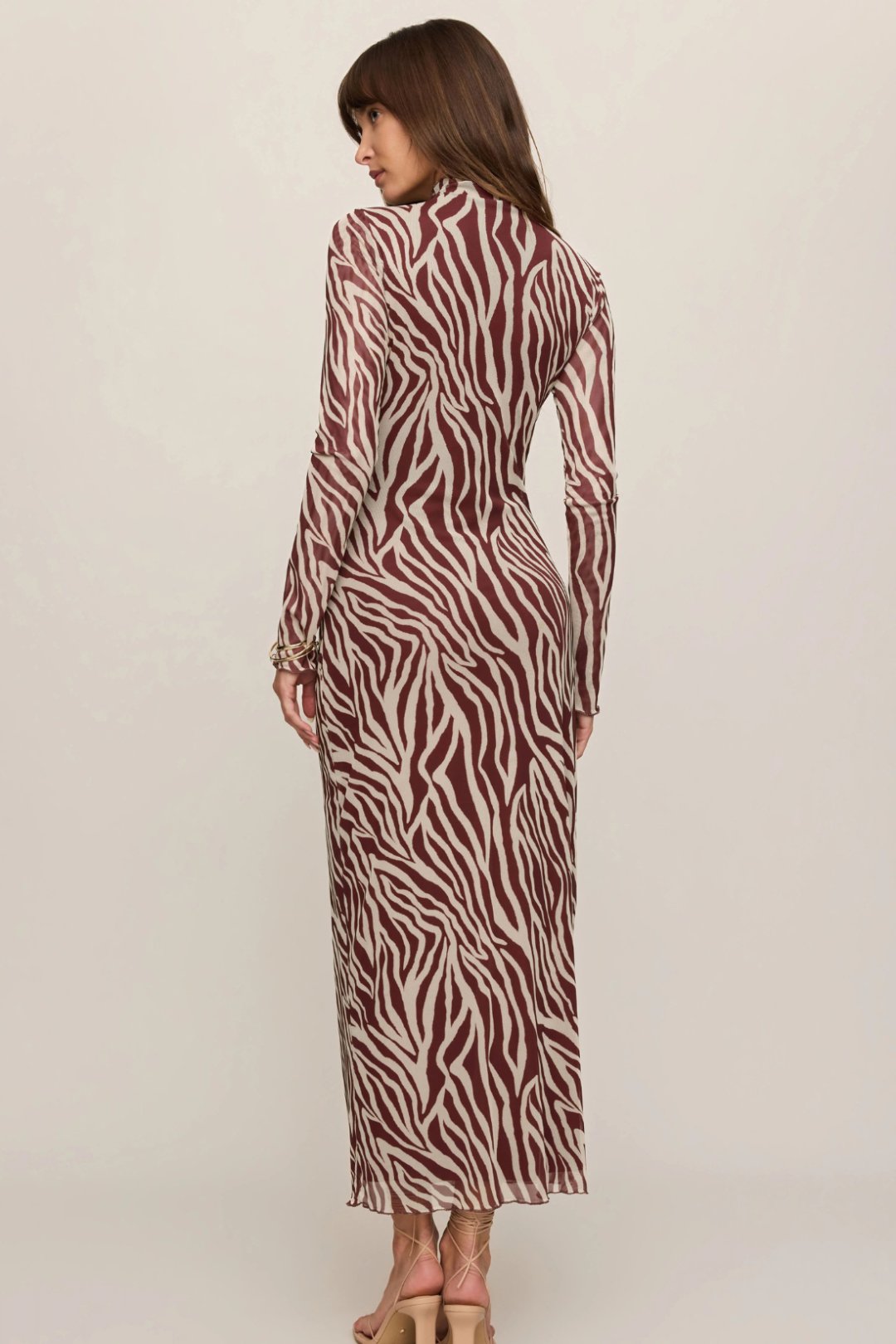
Hourglass figures have balanced proportions with a defined waist. Fitted silhouettes, wrap dresses, and styles that follow your natural contours celebrate those curves. Fitted dresses emphasize your natural waist and create visual interest, like the Sevilla Zebra Mesh Midi Dress.
Rectangle Shape: Creating Visual Interest
Rectangle-shaped bodies have straighter lines from shoulder to hip with less waist definition. Create curves and visual interest through peplum tops, ruffles, and gathered fabrics. Belts create the illusion of a defined waist. Wrap dresses and fit-and-flare silhouettes suggest curves, while layering different textures and colors keeps your look dynamic.
Flattering Clothes for a Big Stomach: Styling Strategies
Strategic styling, fit, and tailoring make all the difference for midsection concerns. The goal isn't to hide; it's to balance proportions and draw attention where you want it. When you understand how to work with your body type instead of against it, you stop second-guessing yourself.
Fabric and Color: Creating Visual Balance
Darker, matte fabrics on the torso create a subtle slimming effect. Matte jersey, structured cotton blends, and soft knits work better than shiny materials.
Vertical lines created through open cardigans, long necklaces, or color blocking elongate your torso. Avoid horizontal stripes across your midsection; use them on your shoulders or lower body instead.
Silhouettes That Work
Wrap dresses and wrap tops are ideal because they skim rather than cling, and the tie placement gives you control.
A-line and fit-and-flare silhouettes provide shape without emphasizing the midsection.
Peplum tops and gathered fabrics add texture and volume strategically, drawing attention away from a fuller midsection.
Fit Troubleshooting and Tailoring
The right silhouette means nothing if the fit is wrong. Here's how to troubleshoot common issues:
Pulling or tightness across the midsection: If a top or dress pulls horizontally across your stomach, look for styles with ruching, draping, or structured fabrics that accommodate fullness without clinging. A tailor can add panels or let out seams to give you more room in the midsection while keeping the shoulders and sleeves fitted.
Bunching at the waist or hip: A tailor can adjust the waist seam or add darts to create a better fit.
Excess fabric creating bulk: A tailor can taper the sides, adjust the length, or add strategic darts to create shape without clinging.
Hems hitting at the wrong spot: A tailor can shorten or lengthen the hem to hit at a more flattering point, typically at the hip or mid-thigh, where it creates visual balance.
Complete Outfit Examples for Everyday Situations
Work outfit (professional setting): Pair a structured, darker wrap top with tailored trousers in a neutral tone.
Casual weekend outfit: A fit-and-flare dress in a solid, darker tone with a lightweight cardigan or denim jacket.
Evening or event outfit: A wrap dress in a richer fabric with a defined waist.
When to Invest in Tailoring
Tailoring is worth the investment for pieces you'll wear frequently. A tailor can take in side seams, taper cardigans, let out front seams, and adjust necklines, sleeve lengths, and hem placements to create better proportions for your frame.
Body Shape Styling Tips for Everyday Confidence
Once you understand how to dress for your body shape, everyday dressing becomes easier and more enjoyable. You stop second-guessing yourself and start trusting your instincts.
The Power of Necklines and Sleeves
Necklines and sleeves dramatically affect how an outfit balances your proportions. V-necks and scoop necks elongate your torso and draw the eye downward, ideal for pear and apple shapes.
Sleeve length matters too. Three-quarter sleeves add visual interest without overwhelming petite frames. Short sleeves on broader shoulders create balance. Longer sleeves on narrower shoulders add proportion.
Layering and Texture for Visual Balance
Layering creates dimension and lets you play with proportions. A structured jacket over a fitted dress changes the silhouette entirely. Textured fabrics, like the soft suede in April Blooms's flower tie belts, add visual interest without bulk.
Mixing matte and shiny fabrics, smooth and textured materials, creates a polished look that feels intentional.
Using Color and Pattern Strategically
Color and pattern are your most powerful styling tools. Dark colors recede, making areas appear smaller. Light colors advance, drawing attention. Bright colors naturally draw the eye.
Patterns create visual interest and can balance proportions. A bright patterned top on someone with a pear shape draws attention upward.
Dresses and Silhouettes That Flatter Every Figure
Dresses are the easiest way to dress for your body shape because the silhouette does the work for you.
Fit-and-Flare and A-Line Dresses
Fit-and-flare dresses hug the bust and waist, then flare from the hip. They're flattering for nearly every body shape because they emphasize the waist while skimming the hips and thighs.
A-line dresses have a fitted bodice and gradually widen from the waist down. They're universally flattering because they create visual balance without clinging.
Wrap Dresses and Sheath Silhouettes
Wrap dresses tie at the waist, creating instant definition. The adjustable tie lets you customize the fit to your body.
Sheath dresses follow your natural lines without excess fabric. On hourglass shapes, they celebrate curves. On rectangle shapes, they're best paired with belts or layered with textured jackets to add visual interest.
The Truth About How to Dress for Your Body Shape
When you dress for your body shape, you're choosing silhouettes, fabrics, colors, and details that work with your natural proportions. You're emphasizing your best features and creating visual balance. The clothes that don't fit right aren't a reflection of you, they're simply the wrong silhouette for your proportions.
Conclusion: Embrace Your Unique Silhouette
Understanding how to dress for your body shape transforms how you feel in your clothes and about yourself. We carry a curated selection of clothing and accessories designed for real bodies, including adjustable suede flower tie belts that let you define your waist exactly how you want. Shop online and discover how the right pieces transform how you look and feel.
Frequently Asked Questions
How do I figure out my body shape?
Start by looking at how your bust, waist, and hips relate to each other. Stand in front of a mirror and observe which area is widest, where you naturally carry weight, and whether your shoulders and hips are proportional. You don't need exact measurements—focus on your overall silhouette. The four common categories are apple, pear, hourglass, and rectangle. Remember, your body shape is unique to you, and these categories are simply tools to help you find clothes that complement your natural proportions and make you feel confident.
What clothes are most flattering for my body shape?
The most flattering clothes work with your proportions rather than against them. If you have an apple shape, A-line dresses and tops that skim over the midsection work well. Pear shapes benefit from darker bottoms and brighter tops to draw attention upward. Hourglass figures shine in fitted silhouettes that emphasize the waist, like wrap dresses or belted styles. Rectangle shapes gain dimension from patterns, textures, and layering. The key is finding pieces that create visual balance and celebrate your natural silhouette. Audrey and April, our stylists at April Blooms, specialize in helping you discover which cuts and styles make you feel radiant.
How should I dress if I have a big stomach?
Many women believe they're the problem when clothes don't fit well, but often it's simply that the garment isn't designed for their body shape. For a fuller midsection, look for structured fabrics that provide gentle support rather than clingy materials. A-line dresses, tunics, and wrap tops create a flattering silhouette. Vertical lines, layering, and strategic color blocking draw the eye upward and downward, away from the center. Avoid tight, thin fabrics that cling to every contour. Instead, choose pieces with texture, pattern, or strategic draping. Belts worn at the hip or lower waist can also define your shape beautifully. The right cut makes all the difference.
What makes a woman look confident in her own body?
Confidence comes from wearing clothes that fit your body well and align with your personal style. When a garment complements your proportions, you naturally stand taller and feel more at ease. Start by identifying your body shape and choosing silhouettes that work with your figure. Invest in quality basics that fit properly. Don't chase trends that don't suit you—instead, select pieces that celebrate how you naturally look. Proper tailoring, the right neckline, and strategic use of color and pattern all contribute to looking and feeling your best. At April Blooms, we believe it's about finding clothes that adorn your body with colors and cuts that work best for you.
Do I have to follow body-shape dressing rules strictly?
Body-shape guidelines are suggestions, not strict rules. They're designed to help you understand which silhouettes tend to feel most comfortable and flattering on your frame. Personal style, comfort, and what makes you feel good matter most. If you love a piece that doesn't follow the 'rules,' wear it. Fashion should feel joyful, not restrictive. That said, understanding your body shape gives you a foundation to make intentional choices about fit and silhouette. Use these guidelines as a starting point, then trust your instincts and wear what makes you feel confident and like yourself.
Can tailoring really change how clothes fit my body shape?
Absolutely. Tailoring is one of the most powerful tools for making clothes work with your body shape. Simple adjustments like hemming, taking in seams, or adding darts can transform how a garment drapes and fits your proportions. A tailor can adjust sleeve length, neckline placement, and waist definition to create a more flattering silhouette. Many women don't realize how much a small adjustment can improve fit and comfort. Investing in tailoring for key pieces in your wardrobe ensures that your clothes complement your natural shape rather than fight against it.